
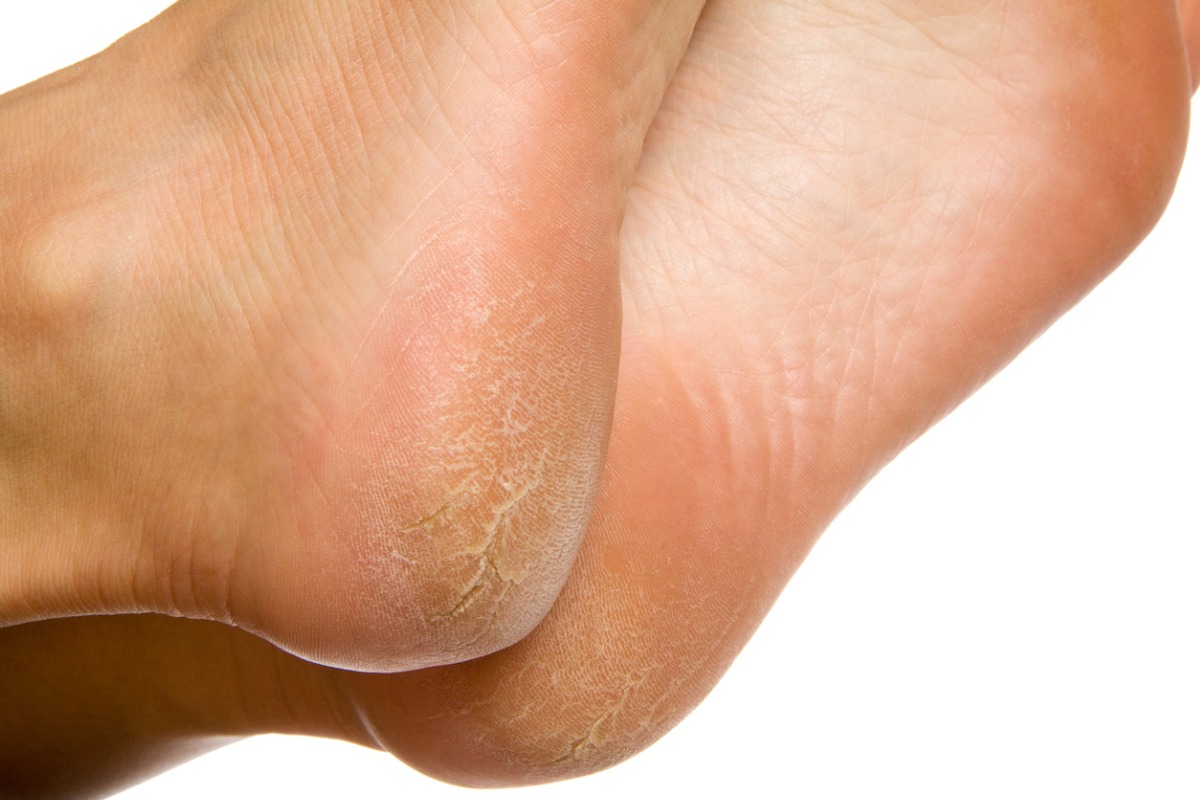
Of all the winter woes, dry feet can be one of the most stubborn and uncomfortable. While we bundle up in cozy sweaters and warm socks, our feet are often the last to receive our care and attention. Yet, they carry us through every day, and when they become dry, cracked, and painful, it’s a problem we can no longer ignore. Understanding why it happens and how to fight back is the key to keeping your feet soft and healthy all season long.
Why Do Our Feet Go Dry in Winter?
The primary culprit is a simple combination of environment and anatomy. Winter air is cold and lacks humidity, both outdoors and indoors due to heating systems. This dry air acts like a sponge, pulling moisture from our skin. Our feet are particularly vulnerable for two main reasons.
First, they have no oil glands. Unlike the skin on our face or scalp, the soles of our feet cannot produce natural sebum to create a protective, moisturizing barrier. They rely entirely on sweat glands and external care for hydration.
Second, we subject our feet to constant wear and tear. The friction from walking, combined with the pressure of our body weight, causes the skin on our heels and soles to thicken into protective layers of dead skin, called calluses. Without proper moisture, these calluses can quickly lose their flexibility, becoming dry, hard, and eventually cracking open.

The Harm of Ignoring Dry Feet
Many people dismiss dry feet as merely a cosmetic issue, but the consequences can be more serious. The most immediate problem is discomfort and pain. Dry skin can feel tight and itchy, while deep cracks, or fissures, can be incredibly painful, especially when walking.
These cracks are more than just painful; they are open doors for bacteria and fungi. This can lead to infections, making the problem much worse and harder to heal. For people with conditions like diabetes, this is a severe health risk that requires immediate medical attention. Furthermore, neglecting dry feet can create a vicious cycle: the skin thickens to protect itself, becomes drier, and cracks even more deeply.
A Simple Winter Care Routine for Happy Feet
The good news is that preventing and treating dry feet is straightforward. A consistent, gentle routine is all it takes.
1. Hydrate and Seal: Moisturizing is non-negotiable. The best time to do this is right after a shower or bath, when your skin is still damp and pores are open. Avoid light lotions that evaporate quickly. Instead, opt for thick, rich creams or ointments containing ingredients like urea, lactic acid, shea butter, or petroleum jelly. These ingredients are excellent at both drawing in moisture and creating a protective seal to lock it in. Massage the cream thoroughly into your feet, paying special attention to the heels, and put on a pair of cotton socks immediately afterward to enhance the absorption.

2. Exfoliate Gently: Once a week, give your feet a gentle exfoliation to remove the buildup of dead skin. Soak your feet in warm, soapy water for 10-15 minutes to soften the skin. Then, use a pumice stone or a foot file to gently buff away rough patches on your heels and soles. Do not be aggressive—the goal is to smooth the skin, not to remove it entirely, which can cause irritation.
3. Protect and Comfort: Be mindful of your footwear. Wear moisture-wicking socks made of natural fibers like cotton or bamboo to keep your feet dry. Avoid wearing tight, non-breathable shoes for long periods, as they can create a sweaty environment that, paradoxically, leads to dryness once the moisture evaporates. Also, try to keep your feet away from direct heat sources like radiators or fireplaces, as the intense, dry heat can sap moisture directly from your skin.
In conclusion, dry feet in winter are a common but manageable issue. By understanding the causes and committing to a simple routine of hydration, gentle exfoliation, and protection, you can ensure your feet remain soft, comfortable, and healthy. Your feet work hard for you all year; this winter, it’s your turn to return the favor.